Zhong Kui Cultural Legacy: Art, Folklore and Tradition
Explore how Zhong Kui's legend has shaped Chinese art, folklore, and cultural traditions across more than a thousand years of history.
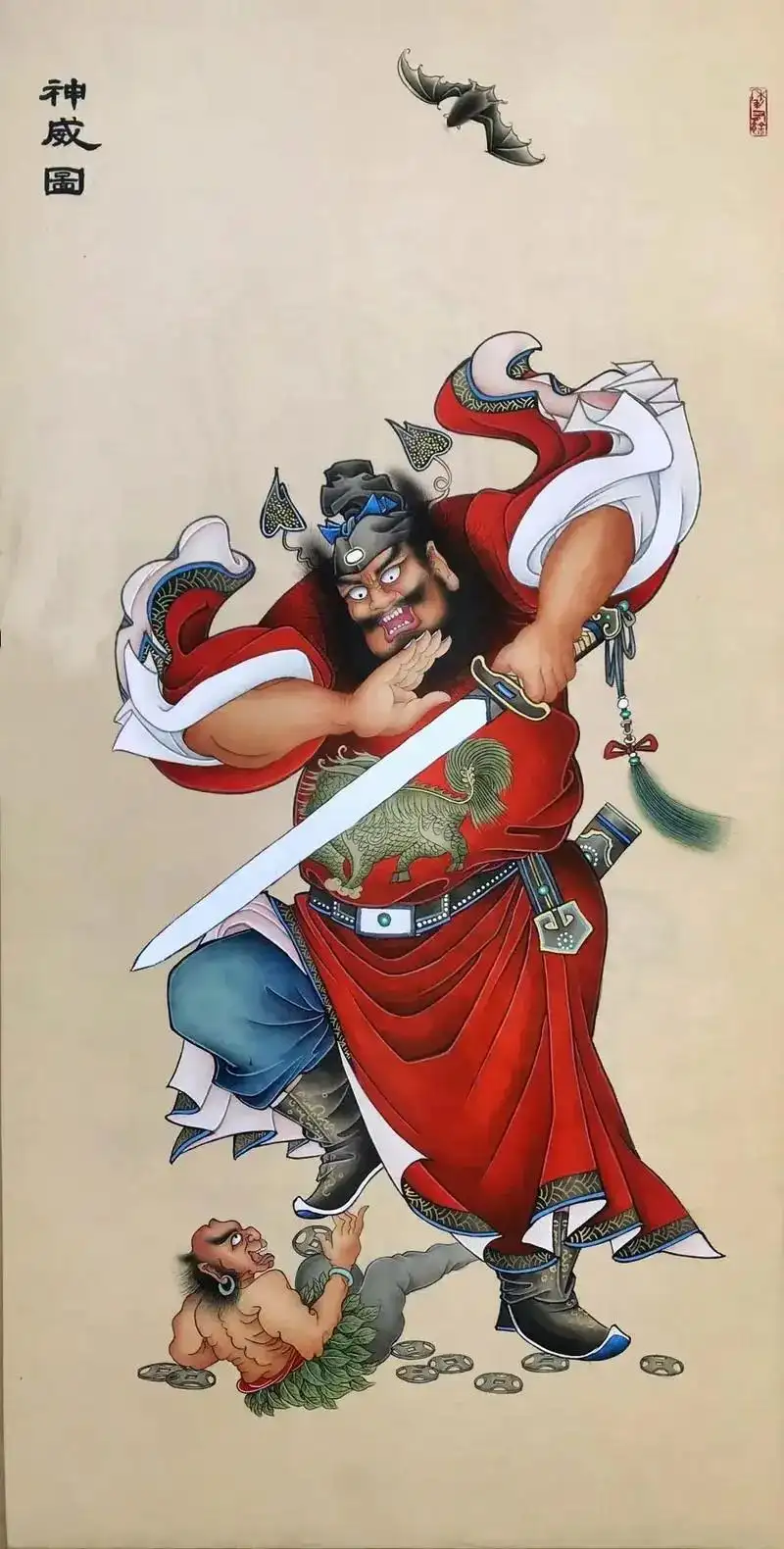
Artistic Evolution
Follow Zhong Kui from the Wu Daozi image of Tang legend to surviving scrolls of the Yuan, Ming and Qing dynasties and the ink paintings of twentieth-century masters, and see how each period changed his face, his clothes and the demons around him.
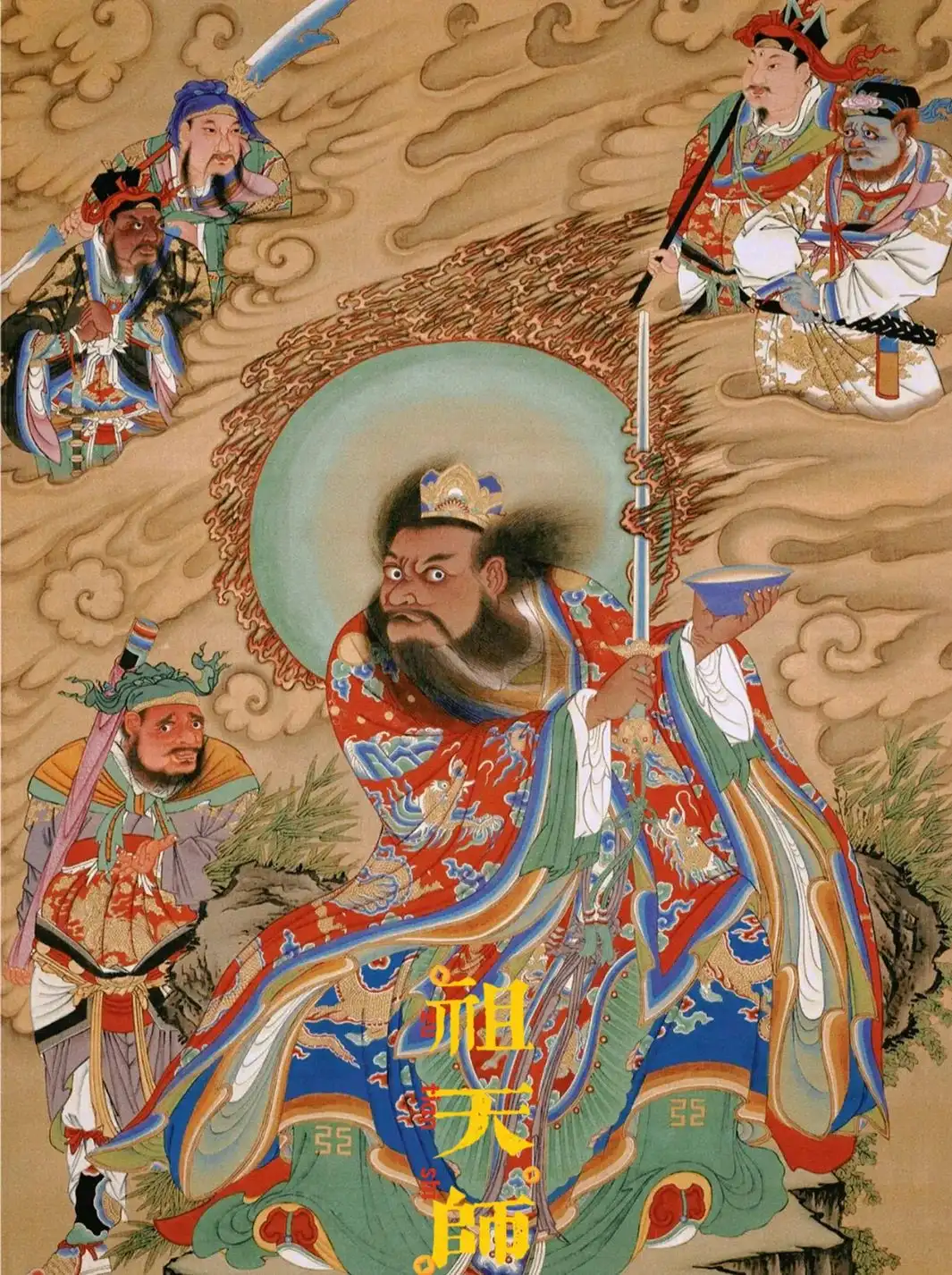
Folklore & Beliefs
Uncover the deep-rooted cultural significance of Zhong Kui in Chinese folk traditions. From protective talismans to festival celebrations, explore how this legendary figure became woven into the fabric of daily life.
Festival Traditions
Dragon Boat Festival and New Year celebrations featuring Zhong Kui
Protective Practices
Hanging portraits and talismans for spiritual protection
Cultural Stories
"Zhong Kui Marries His Sister" and other beloved tales
Regional Variations
How different regions interpret and celebrate Zhong Kui
Millennium of Cultural Impact
Trace how Zhong Kui moved from a Tang New Year guardian to a figure of paintings, festivals, fiction and games
Tang Dynasty Origins
Court officials thank the emperor for Zhong Kui paintings given at year's end, and a Dunhuang manuscript preserves a New Year invocation to him. The dream story of Emperor Xuanzong and the painter Wu Daozi is set in this age.
Song Prints & Early Scrolls
Shen Kuo records the dream story and a 1072 woodblock edition given out on New Year's Eve. The oldest surviving scrolls, such as Gong Kai's Zhong Kui at the Freer Gallery, date to the Yuan.
Popular Culture Peak
The scholar-hero version of the story takes shape in Ming and Qing storytelling, and by the late Ming and early Qing the pictures are also hung at the Dragon Boat Festival.
Contemporary Revival
Painters such as Xu Beihong and Pu Ru return to the subject in ink, and video games, notably the announced Black Myth: Zhong Kui, carry him to new audiences.
Folklore Guides
How Zhong Kui is honored at festivals, in stories, and across the sea in Japan
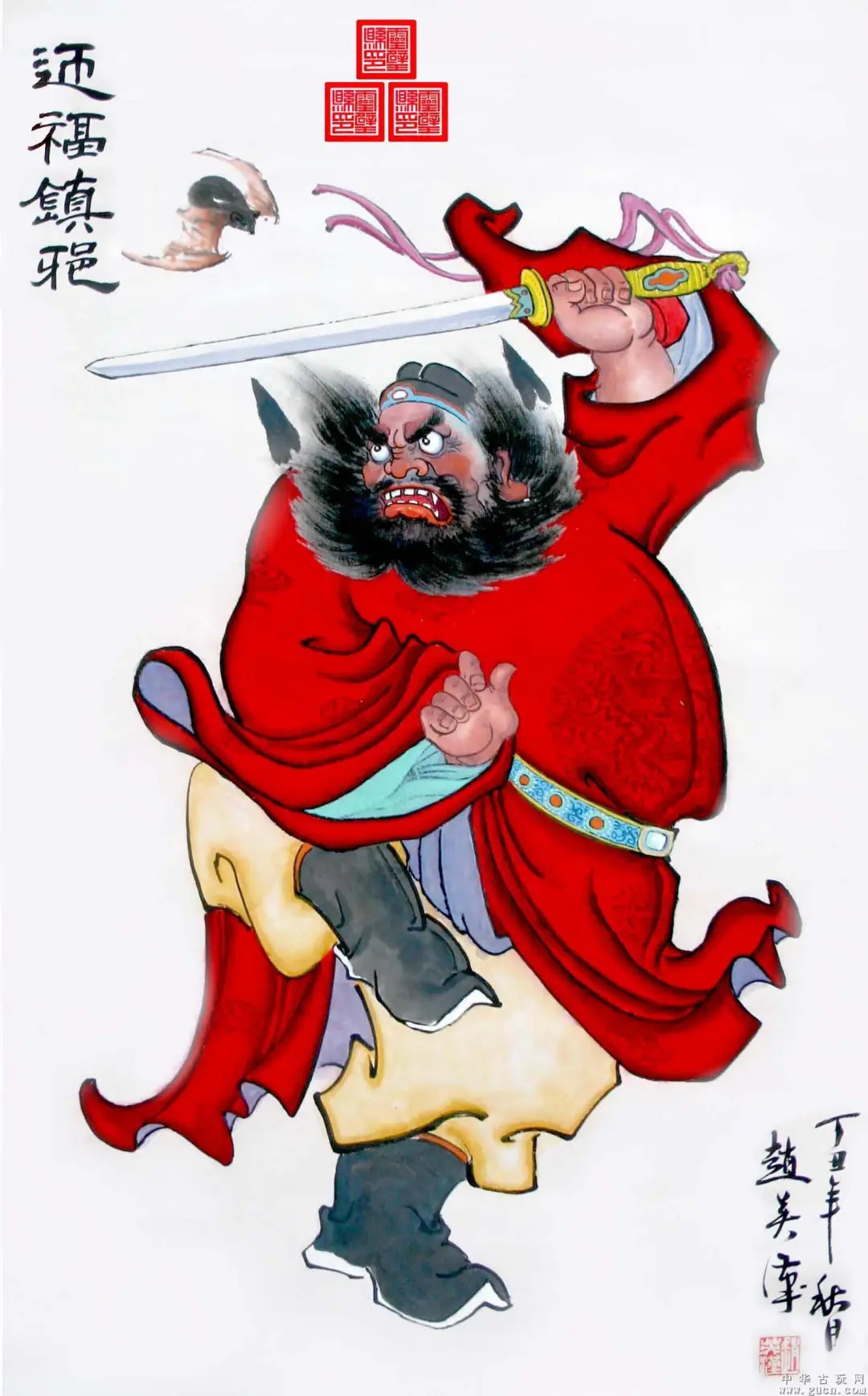
Zhong Kui and the Dragon Boat Festival
Why Zhong Kui pictures are hung at the Dragon Boat Festival: the dangers of the fifth lunar month, protective herbs, and how the custom moved from the New Year.
Read guide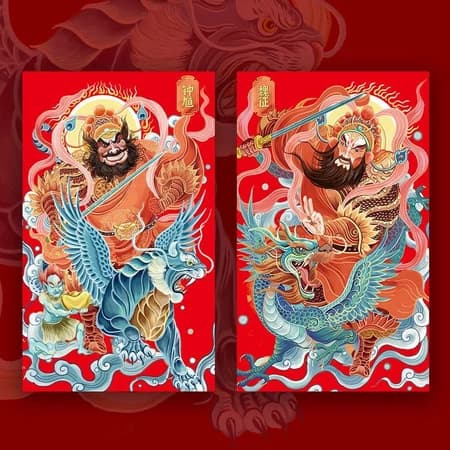
Zhong Kui and New Year Door Guardian Customs
How Zhong Kui paintings became New Year protectors: Tang court gifts, a Dunhuang exorcism text, Song woodblock prints, and the household custom that followed.
Read guide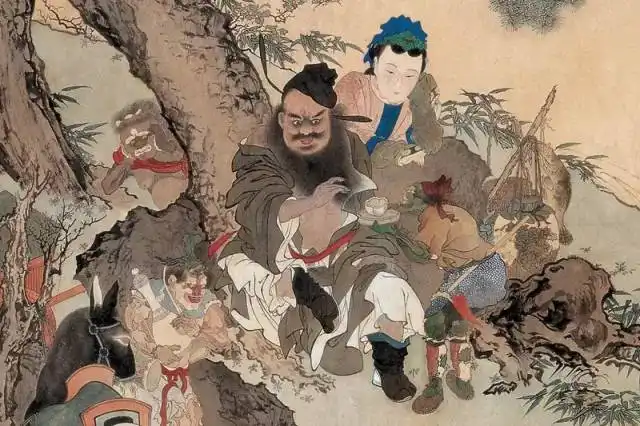
Zhong Kui Marries His Sister: The Folk Tale
The folk tale Zhong Kui Marries His Sister: Du Ping, a comic ghost procession in Yuan paintings, the pun in the title, and why the story endures in opera.
Read guide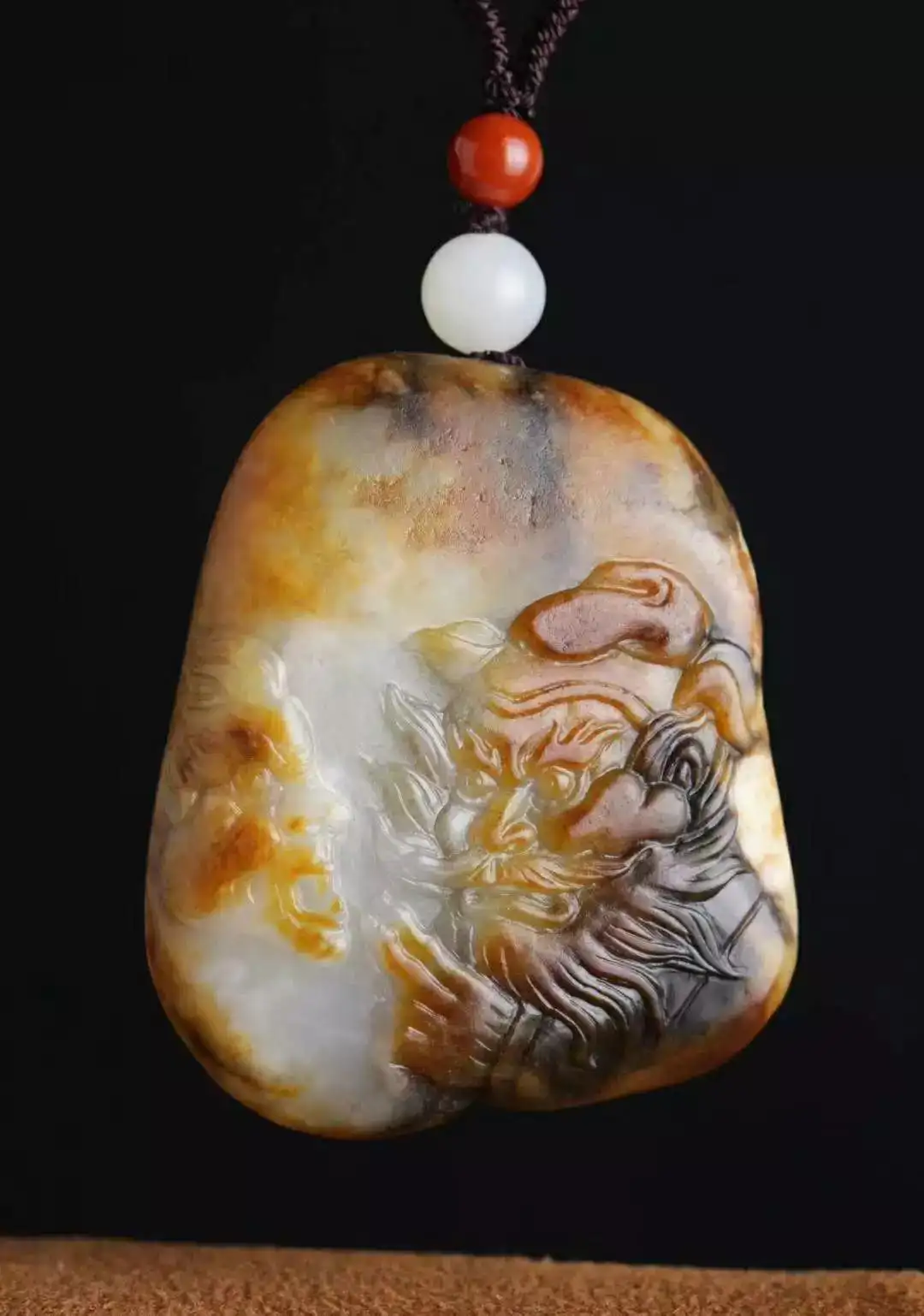
Shōki: Zhong Kui in Japan
How Zhong Kui became Shōki in Japan: a smallpox protector, a Boys' Festival figure, a Kyoto rooftop guardian, a favorite of painters, and the name of a WWII fighter.
Read guideDive Deeper Into the Legacy
Choose your path to explore the rich cultural heritage of Zhong Kui