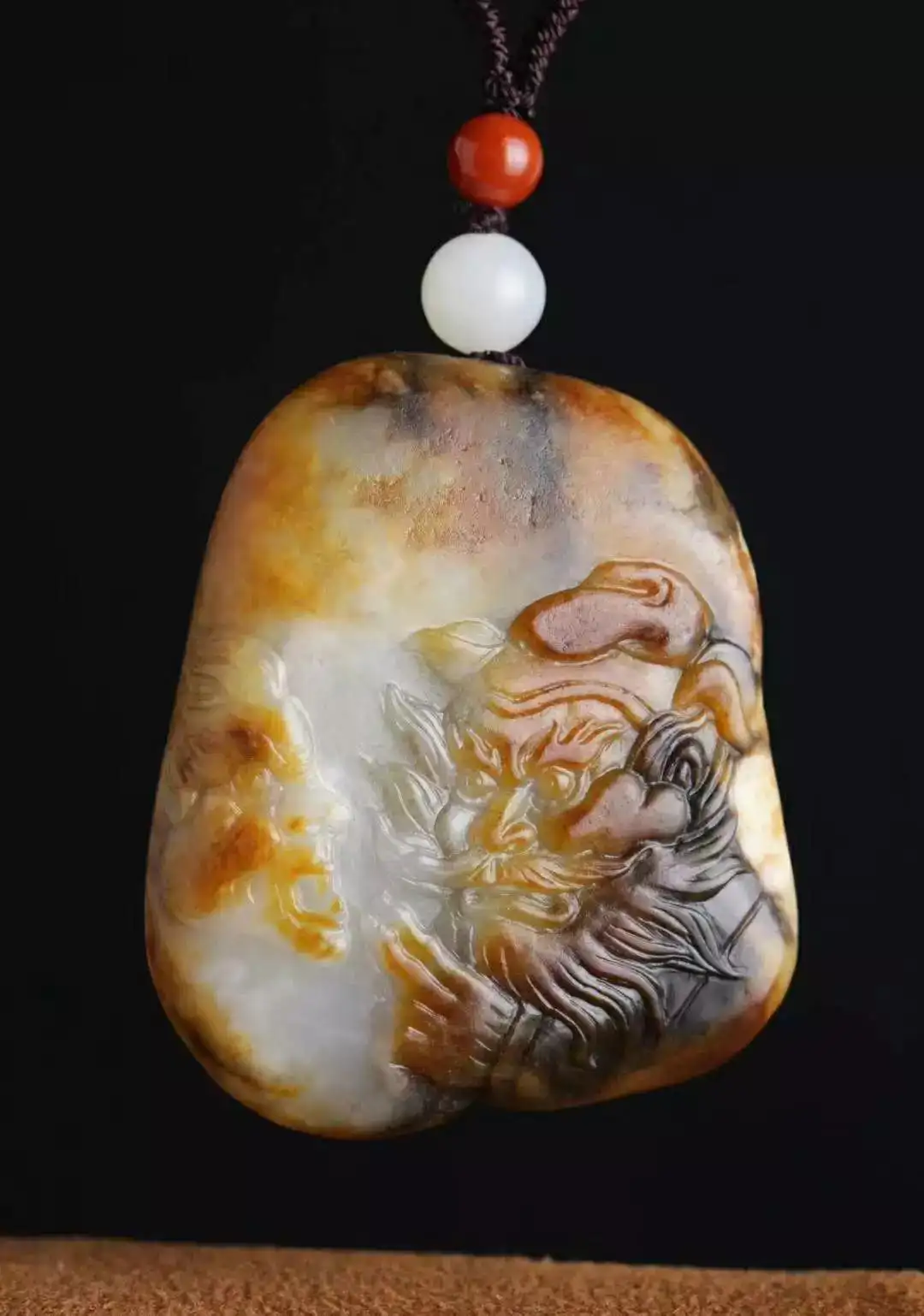
From China to Japan
YOKAI.JP notes that Shōki imagery appears in Japan from the late Heian period, when he is found in protective paintings, and that the theme was well established by the Muromachi period (YOKAI.JP). The legend is the Chinese one: the Tang emperor falls ill, dreams of a demon queller, and recovers. Read it in Emperor Xuanzong's dream.
A protector against smallpox
In Japan Shōki is venerated as a protector against smallpox and epidemics and as a patron of academic success, and images were hung at entrances and gates to keep out plague deities and malign spirits (YOKAI.JP). Chinese Wikipedia adds that Shōki roof figures were believed to counter the smallpox deity (Chinese Wikipedia).
Boys' Festival pictures and dolls
Pictures of Shōki were hung to ward off demons especially at the Boys' Festival on May 5, and a small statuette under the eaves of a house survives as a custom (JAANUS). By the late Edo period he was also a May Festival doll in the Kanto region, and hanging scrolls, banners and screens were displayed at New Year and the Boys' Festival (YOKAI.JP).
Guardians on Kyoto roofs
The most distinctive Japanese custom is the rooftop Shōki. Stories say that setting a Shōki figure facing a demon-faced roof tile (oni-gawara) cured illnesses, and by the late Edo period rooftop statues were common in Kansai; they can still be found from Kinki through Chubu, although dedicated shrines are limited today (YOKAI.JP).
Painters, warriors and aircraft
Japanese painters took up the theme again and again: JAANUS names Yamada Dōan, Kano Tan'yū, Tanomura Chikuden and Watanabe Kazan among the artists known for Shōki (JAANUS). Wikipedia also notes the print designer Okumura Masanobu's Shōki zu, and that the Nakajima Ki-44 fighter of the Imperial Japanese Army Air Force was named Shōki. Chinese Wikipedia adds that the warlord Saitō Tomonobu was nicknamed "the Shōki of Echigo" (Chinese Wikipedia).
Frequently Asked Questions
What is Shōki?
Shōki is the Japanese name for Zhong Kui, the Chinese demon queller. The two names are written with the same characters, 鍾馗.
Why do some Japanese roofs have a Shōki figure?
Folk belief held that a Shōki figure on the roof, often facing a demon-faced roof tile, protected the house from illness and evil. The custom was common in Kansai by the late Edo period.
Further reading
Pages we consulted for this guide, each linked where it is used above. Check them if you want to go deeper or verify a detail.